Call: +27 (0)33 880 0521 | Email: [email protected]
The Old Prison - Wejele Elidala
The Old Prison has been declared an official heritage site and within its walls is both a National Monument and a museum documenting some of South Africa’s diverse history. Recently refurbished with lottery funding, The Old Prison has seen a radical transformation, and now boasts stunning displays, interactive technology and a world class museum. Why not book a tour of The Old Prison and find out about the political prisoners held here, including Nelson Mandela, King Dinuzulu, and Mohandas (Mahatma) Gandhi. To book a tour or to find out more, please contact us on 033 845 0400 or email us at [email protected], you can also find out more about the History of Project Gateway as a charity working inside the prison walls.
I-Old Prison imenyezelwe njengendawo yamagugu esemthethweni futhi ngaphakathi kwezindonga zayo kukhona isikhumbuzo sikazwelonke kanye nemnyuziyamu ebhala umlando ohlukahlukene waseNingizimu Afrika. Isanda kuvuselelwa ngemali ye-lottery, i-Old Prison ibone ushintsho olukhulu, futhi manje inemibukiso emangazayo, ubuchwepheshe obusebenzisanayo kanye nomnyuziyamu osezingeni lomhlaba. Kungani ungabhuki ukuvakashela i-Old Prison futhi uthole ngeziboshwa zezombusazwe ezigcinwe lapha, kufaka phakathi uNelson Mandela, iNkosi uDinuzulu, noMohandas (Mahatma) Gandhi. Ukubhuka uhambo noma ukuthola kabanzi, sicela uxhumane nathi ku-033 880 0521noma usithumelele i-imeyili [email protected], ungafunda kabanzi ngomlando we-Project Gateway njengenhlangano yosizo esebenza ngaphakathi kwezindonga zejele.
The History of The Old Prison
The Old Prison dates back to Voortrekker times, with more than 160 years of history including the Colonial times, Apartheid, the Liberation Struggle, the Political Struggle and ultimately to the dawn of democratic South Africa in 1994.
The site was commissioned in 1859, with the E-block being the first building erected on the site. It was opened in 1862. The cell block has been declared a National Monument and is one of the oldest buildings in Pietermaritzburg.
Umlando Wejele Elidala
I-Old Prison ihlehlela emuva ezikhathini ze-Voortrekker, ineminyaka engaphezu kwengu-160 yomlando kubandakanya izikhathi zamakoloni, ubandlululo, umzabalazo wenkululeko, umzabalazo wezombusazwe futhi ekugcineni kwasekuqaleni kweNingizimu Afrika yentando yeningi ngo-1994.
Le ndawo yathunyelwa ngo-1859, ne-E-block ibe yisakhiwo sokuqala esakhiwe esizeni. Yavulwa ngo-1862. Lesi sikhungo simenyezelwe njengeSikhumbuzo sikaZwelonke futhi singesinye sezakhiwo ezindala kunazo zonke ePietermaritzburg.
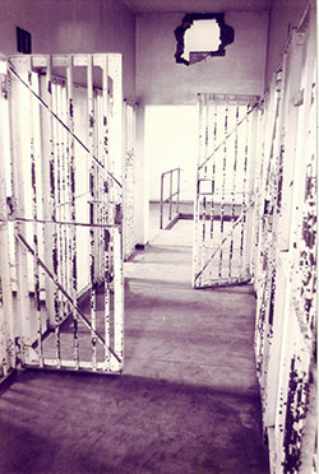
The execution block was constructed in 1934
This building had the sole purpose of housing a gallows and high security cells. The execution block also houses one of the torture rooms; “a room so dark you can barely see your hand in front of your face”. Other buildings, including the gallows, ‘whites only’ section, hospital, gibbet etc were added at a later date.
When the cell blocks of the prison were originally built, each cell was designed to house prisoners individually. However, as inmate numbers increased, it became common for each cell to accommodate as many as 10 or 12 prisoners, who slept on mats on the floor. Each cell had 2 buckets – one for water and one to be used as a toilet.
Isakhiwo Sakhiwa ngo-1934
Lesi sakhiwo sasinenhloso yodwa yokuhlala isigxobo namaseli okuphepha okuphezulu. Ibhlokhi lokubulawa liphinde libe nelinye lamakamelo okuhlushwa; “Igumbi elimnyama kangangokuba awukwazi ukubona isandla sakho phambi kobuso bakho”. Ezinye izakhiwo, kufaka phakathi i-gallows, isigaba ‘sabamhlophe kuphela’, isibhedlela, i-gibbet njll zengezwa kamuva.
Lapho kwakhiwa amabhlogo amaseli ejele, iseli ngalinye laklanyelwe ukuhlalisa iziboshwa ngazinye. Kodwa-ke, njengoba inani leziboshwa landa, kwaba yinto ejwayelekile ukuthi isitokisi ngasinye sihlalise iziboshwa ezingu-10 noma ezingu-12, ezilala emacansini phansi. Iseli ngalinye lalinamabhakede ama-2 – elilodwa lamanzi nelinye elizosetshenziswa njengendlu yangasese.
The cookhouse was constructed in 1872. A dining hall was never built. Instead, in all weathers, inmates experienced ‘open air dining’ in an area of clearly marked white lines on the tar between the Chapel and the ‘Whites’ section. Former prisoners that have been interviewed, remember the ‘open air dining room’ as a common area for gang fights. White prisoners ate in their cells. The cell walls were covered with every kind of graffiti:
- Names of girlfriends
- Mothers
- Prayers
- Threats
- Lewd Remarks
- Violent images
- The carefully drawn insignia of various organisations
Indlu yokupheka yakhiwa ngo-1872. Ihholo lokudlela alikaze lakhiwe. Esikhundleni salokho, kuzo zonke izimo zezulu, iziboshwa zabhekana ‘nokudlela emoyeni ovulekile’ endaweni yemigqa emhlophe ephawulwe ngokucacile ku-tar phakathi kwe-Chapel nengxenye ye-‘Whites’. Iziboshwa zangaphambili eziye zaxoxwa nazo, zikhumbula ‘igumbi lokudlela elivulekile’ njengendawo ejwayelekile yokulwa kwamaqembu ezigebengu. Iziboshwa ezimhlophe zidla ezitokisini zazo. Izindonga zamangqamuzana zazimbozwe ngazo zonke izinhlobo ze-graffiti:
- Amagama amantombazane
- Omama
- Imithandazo
- Izinsongo
- Ukuphawula okungcolile
- Izithombe ezinobudlova
- Izimpawu ezidwetshwe ngokucophelela kwezinhlangano ezahlukahlukene
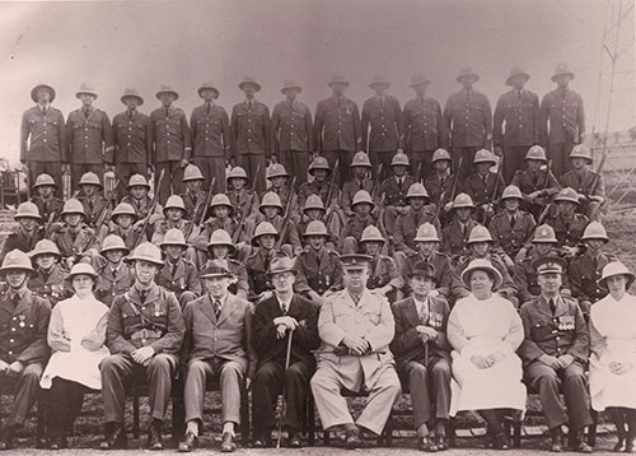
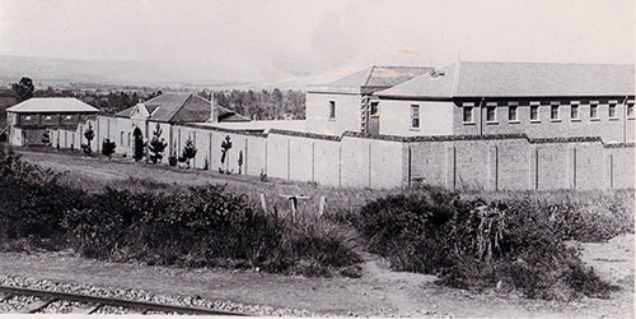
The number of political detainees and awaiting – trial prisoners held at this prison increased dramatically.
They were arrested for actual and perceived actions against the apartheid government, while a number were leaders of liberation groups.
The execution block housed people who were arrested for participating in anti-government political activities. They were strictly segregated from prisoners serving non-political sentences, for fear that they would spread ‘revolutionary ideas’, and most were detained without being charged, under the 90-day Detention Law.
This law allowed that political prisoners could be kept in solitary confinement for the entire 3 months of their detention and then re-detained at the end of the period, all without being formally charged.
Inani leziboshwa zezombusazwe kanye neziboshwa ezilindile ezigcinwe kuleli jele lenyuke kakhulu.
Baboshwa ngenxa yezenzo zangempela nezibonakalayo ngokumelene nohulumeni wobandlululo, kanti abanye babengabaholi bamaqembu enkululeko.
Lesi sikhungo sasihlala abantu ababoshiwe ngokubamba iqhaza emisebenzini yezombusazwe ephikisana nohulumeni. Babehlukaniswe ngokuqinile neziboshwa ezikhonza izigwebo ezingezona ezombusazwe, ngokwesaba ukuthi bazosabalalisa ‘imibono yamavukelambuso’, futhi iningi laboshwa ngaphandle kokubekwa icala, ngaphansi koMthetho Wokuboshwa wezinsuku ezingama-90.
Lo mthetho wavumela ukuthi iziboshwa zezombusazwe zigcinwe zodwa izinyanga ezi-3 zokuboshwa kwazo bese ziphinde ziboshwe ekupheleni kwesikhathi, konke ngaphandle kokubekwa icala ngokusemthethweni.
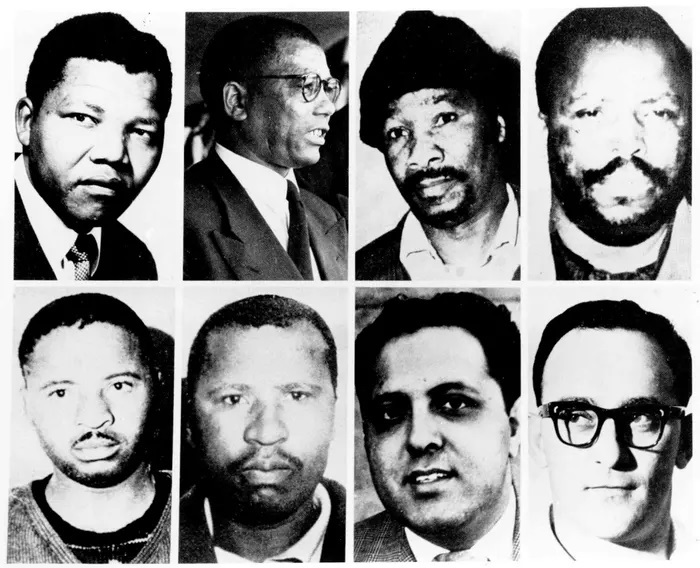
There were many freedom fighters kept in The Old Prison during the struggles in South Africa. Our tour of The Old Prison links with and incorporates five main figureheads. That is: Alan Paton, John Langalibelele Dube, Albert Luthuli, Mahatma Gandhi and Nelson Mandela. The Freedom Route was initiated in October 2007. The Old Prison was closed in 1989 due to over-crowding, and in 1991, Project Gateway was given the site to use for community development projects.
Tours of The Old Prison should be arranged in advance. There is secure parking within the prison walls. To book a tour, please contact us on 033 845 0400 or email us at [email protected]
Kwakukhona izimpi eziningi zenkululeko ezigcinwe ejele elidala ngesikhathi somzabalazo eNingizimu Afrika. Uhambo lwethu lwe-The Old Prison luxhuma futhi luhlanganisa izibalo ezinhlanu eziyinhloko. Okungukuthi: u-Alan Paton, uJohn Langalibelele Dube, u-Albert Luthuli, uMahatma Gandhi noNelson Mandela. Umzila wenkululeko wasungulwa ngo-Okthoba 2007. I-Old Prison yavalwa ngo-1989 ngenxa yokugcwala ngokweqile, kwathi ngo-1991, iProject Gateway yanikezwa indawo ukuze isetshenziselwe amaphrojekthi wokuthuthukiswa komphakathi.
Ukuvakasha kwejele elidala kufanele kuhlelwe kusengaphambili. Kukhona indawo yokupaka ephephile ngaphakathi kwezindonga zejele. Ukubhuka ukuvakasha, sicela uxhumane nathi ku-033 880 0521 noma usithumelele i-imeyili [email protected]